


How surgical procedures refine results and restore balance after significant weight loss
Losing a substantial amount of weight is a major achievement that improves health, mobility, and overall quality of life. However, many patients find that after reaching their goal weight, their physical appearance does not fully reflect their success. Loose skin, volume loss, and contour irregularities can remain, especially after rapid or significant weight reduction. Patients working with Dr. Siamak Agha, a board-certified plastic surgeon in Newport Beach and founder of The Aesthetics Centers, often turn to post-weight-loss plastic surgery as the next step in completing their transformation. This phase focuses on refinement, helping patients achieve natural proportions and a more balanced appearance.
What Is Post-Weight-Loss Plastic Surgery?
Post-weight-loss plastic surgery refers to a range of procedures designed to remove excess skin, reshape the body, and restore contour after major weight loss. These procedures are not about weight reduction but about improving the way the body looks and feels after fat loss has already occurred.
When the body loses a large amount of weight, especially quickly, the skin and supporting structures often cannot adapt fully. This leads to loose or hanging skin in areas such as the abdomen, arms, thighs, breasts, and lower body.
Post-weight-loss procedures address these concerns by removing excess tissue and tightening the remaining skin, creating smoother and more defined contours.
“Post-weight-loss plastic surgery is the bridge between achieving your goal weight and achieving a body that reflects that success.”
Why Surgery Is Often Necessary After Weight Loss
While weight loss reduces fat, it does not restore skin elasticity or remove excess skin. Once the skin has been stretched beyond its natural limits, it loses its ability to fully retract.
This is why many patients continue to see sagging or folds even after reaching a healthy weight. These changes are not a reflection of poor results, but rather a natural outcome of how the body adapts.
In addition to aesthetic concerns, excess skin can cause physical discomfort. Chafing, irritation, and hygiene challenges are common, particularly in areas where skin folds overlap.
Surgical procedures provide the most effective way to address these issues, offering both functional and aesthetic improvements.
Common Procedures After Weight Loss
Post-weight-loss plastic surgery typically involves a combination of procedures tailored to the patient’s specific needs.
A tummy tuck (abdominoplasty) is one of the most common procedures. It removes excess skin from the abdomen and tightens underlying muscles, creating a flatter and more defined midsection.
An arm lift (brachioplasty) addresses loose skin in the upper arms, improving both contour and comfort.
A thigh lift focuses on excess skin in the inner or outer thighs, enhancing shape and mobility.
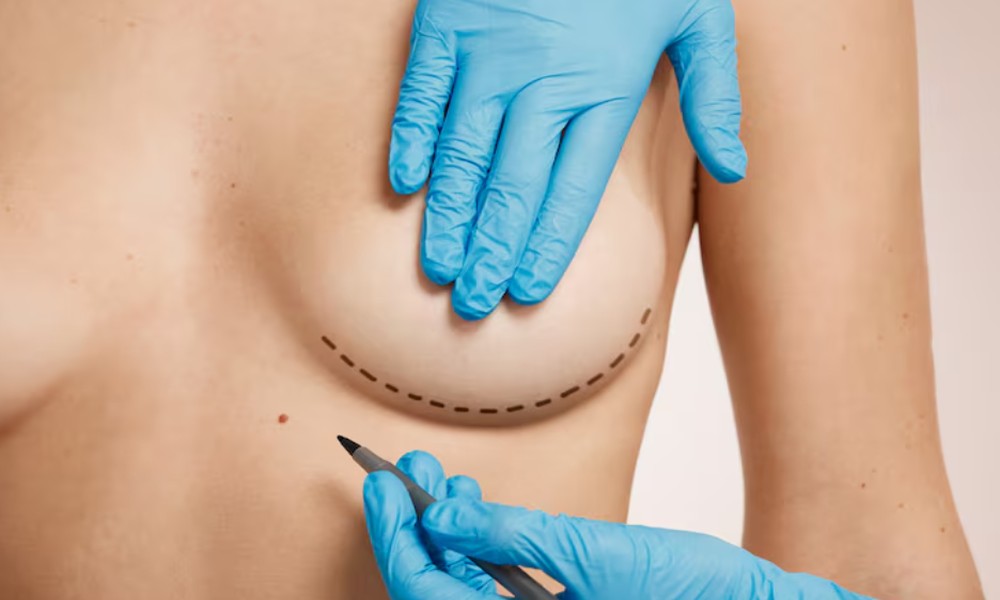
Breast procedures, including lifts and augmentations, restore volume and position after fat loss.
A body lift is a more comprehensive option that addresses multiple areas of the lower body in a single procedure.
Each treatment plan is customized to ensure balanced and natural-looking results.
“Your appearance should reflect your progress, not change how you look.”
The Importance of a Comprehensive Approach
One of the key principles of post-weight-loss plastic surgery is treating the body as a whole rather than focusing on isolated areas. Addressing one region without considering others can lead to an unbalanced outcome.
For example, improving the abdomen without addressing the thighs or buttocks may leave the lower body looking disproportionate. A comprehensive plan ensures that all areas work together harmoniously.
This approach often involves staging procedures over time, allowing for safe recovery while achieving a complete transformation.
Customization is essential, as each patient’s body responds differently to weight loss.
When Is the Right Time to Consider Surgery?
Timing plays a critical role in achieving successful results. Patients should reach a stable weight before undergoing post-weight-loss procedures. This typically means maintaining the same weight for several months.
Weight stability ensures that results are long-lasting and not affected by future fluctuations. It also allows for more accurate surgical planning.
Patients should also be in excellent overall health, with proper nutrition and lifestyle habits that support healing.
A consultation with a qualified specialist helps determine the right timing and develop a personalized treatment plan.
Recovery and What Patients Can Expect
Recovery varies depending on the procedures performed. Patients can expect swelling, bruising, and temporary discomfort as part of the healing process.
Most patients gradually return to normal activities within a few weeks, although full recovery may take longer for more extensive procedures.
Following post-operative instructions is essential for optimal results. This includes wearing compression garments, avoiding strenuous activity, and attending follow-up appointments.
Scarring is a natural part of surgery, but incisions are carefully placed and tend to fade over time.
Long-Term Results and Benefits
Post-weight-loss plastic surgery offers long-lasting results, especially when patients maintain a stable weight and healthy lifestyle.
The benefits extend beyond appearance. Patients often experience improved comfort, better mobility, and increased confidence. Clothing fits more comfortably, and physical activity becomes easier.
Perhaps most importantly, patients feel that their appearance finally reflects the effort they have invested in their weight loss journey.
“For many patients, this is the final step in their transformation, where health, confidence, and appearance come together.”
Emotional Impact and Confidence
Completing the transformation process can have a profound emotional impact. Patients often report feeling more confident, motivated, and comfortable in their daily lives.
Addressing excess skin allows them to fully enjoy the results of their weight loss, without the limitations or frustrations that may have remained.
This stage is about alignment, bringing together physical results and personal confidence.
Conclusion: Completing the Weight Loss Journey
Post-weight-loss plastic surgery plays a crucial role in helping patients achieve a complete and satisfying transformation. By removing excess skin and restoring natural contours, these procedures refine results and enhance overall quality of life.
Patients can achieve balanced, natural, and long-lasting outcomes with proper planning and expert care.
If you are considering post-weight loss plastic surgery, schedule a private consultation with Dr. Siamak Agha, a board-certified plastic surgeon in Newport Beach and founder of The Aesthetics Centers, to develop a personalized plan that supports your goals and completes your transformation.
FAQs
What is included in post-weight loss plastic surgery?
Can all procedures be done at once?
In some cases, but many patients benefit from a staged approach.
How long do results last?
Results are long-lasting with stable weight maintenance.
Is surgery medically necessary?
It can improve comfort and function, in addition to appearance.