
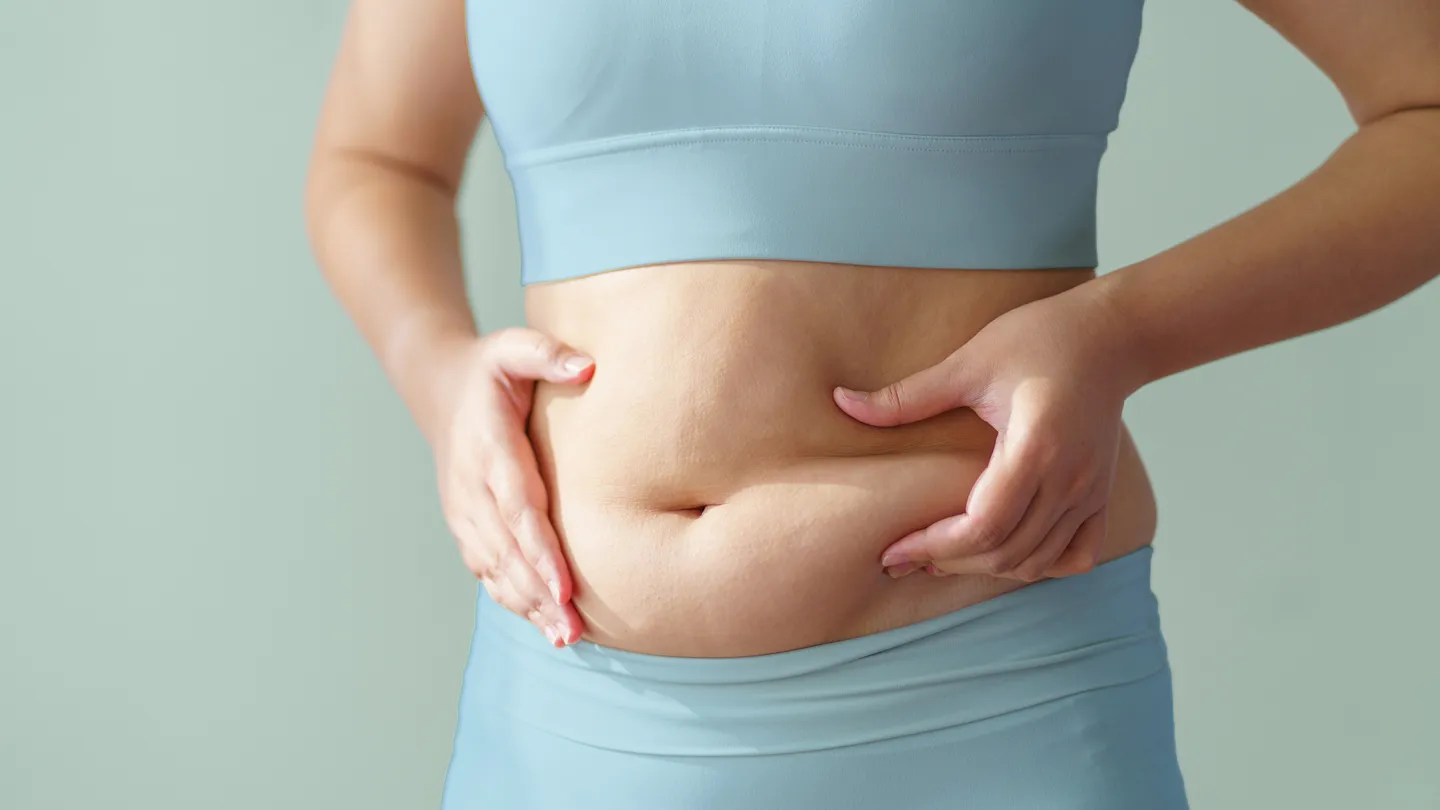
You’re eating well, training consistently, and making progress-yet your love handles seem immune to your efforts. If this describes your situation, stress and cortisol might be the missing pieces of your fat loss puzzle. The relationship between chronic stress and midsection fat storage is well-documented in research, and understanding this connection could be the key to finally eliminating those stubborn flanks.
When it comes to understanding why love handles can be so resistant to fat loss efforts, cortisol plays a central role that’s often overlooked.
What Is Cortisol?
Cortisol is a steroid hormone produced by the adrenal glands in response to stress. Often called the “stress hormone,” cortisol is actually essential for survival and normal function. It helps regulate blood sugar, reduce inflammation, control sleep-wake cycles, and manage how your body uses macronutrients.
The problem isn’t cortisol itself-it’s chronically elevated cortisol. When stress becomes constant rather than occasional, cortisol levels remain elevated beyond their normal pattern, and this is where midsection fat storage becomes an issue.
How Cortisol Promotes Love Handle Fat
Direct Fat Storage
Research shows that elevated cortisol increases fat storage specifically in the abdominal region. This includes both visceral fat (around the organs) and subcutaneous fat in the flanks (love handles). The mechanism involves cortisol’s interaction with fat cell receptors that are particularly abundant in the midsection.
Muscle Breakdown
Cortisol is catabolic, meaning it breaks down tissue. Chronically elevated levels promote muscle protein breakdown to convert amino acids into glucose (gluconeogenesis). Less muscle means a lower metabolic rate, making fat loss more difficult and fat storage more likely.
Increased Appetite
Cortisol increases appetite, particularly for high-calorie, high-fat, and high-sugar foods. This is an evolutionary adaptation-when facing stress, the body prepares for potential food scarcity by driving you toward calorie-dense foods. In modern life, this means stress eating often targets the exact foods that promote fat storage.
Insulin Resistance
Chronic cortisol elevation impairs insulin sensitivity. When cells become resistant to insulin, blood sugar rises, and the body responds by producing more insulin. Elevated insulin inhibits fat mobilization and promotes fat storage-particularly in the midsection.
Disrupted Fat Mobilization
Cortisol interferes with the catecholamine signaling that mobilizes stored fat. Even when in a caloric deficit, high cortisol can impair the body’s ability to access fat stores, particularly in stubborn areas already resistant due to alpha-2 receptor dominance.
Sources of Chronic Cortisol Elevation
Psychological Stress
Work pressure, financial worries, relationship issues, constant digital connectivity-modern life provides abundant psychological stressors. The body can’t distinguish between a looming work deadline and a physical threat; both elevate cortisol.
Sleep Deprivation
Inadequate sleep is one of the most potent cortisol elevators. Just one night of poor sleep can significantly increase cortisol levels the following day. Chronic sleep restriction compounds this effect and is strongly associated with abdominal fat accumulation.
Overtraining
Exercise is a stressor that, in appropriate doses, produces positive adaptations. However, excessive training volume or intensity without adequate recovery elevates cortisol chronically. Ironically, many people trying to lose stubborn fat overtrain, creating the very hormonal environment that makes fat loss more difficult.
Undereating
Severe caloric restriction is a significant physiological stressor. Crash diets dramatically elevate cortisol, which is one reason why extreme dieting often produces disappointing body composition results despite significant weight loss-much of the loss is muscle, and remaining fat is stubbornly preserved, particularly around the midsection.
Stimulant Overuse
Excessive caffeine and other stimulants can elevate cortisol, particularly when combined with other stressors. While moderate caffeine intake is generally fine, multiple strong coffees daily on top of stress and sleep deprivation compounds the problem.
Signs Your Cortisol Might Be Elevated
Consider whether you experience multiple of these symptoms:
- Difficulty losing weight, especially around the midsection
- Gaining weight easily when stressed
- Fatigue, especially in the afternoon
- Difficulty falling or staying asleep
- Anxiety or racing thoughts
- Sugar or carbohydrate cravings
- Frequent illness
- Decreased libido
- Poor exercise recovery
While these symptoms can have many causes, their combination often points to chronic stress and cortisol dysregulation.
Strategies to Manage Cortisol for Love Handle Loss
Prioritize Sleep
Seven to nine hours of quality sleep is essential. This single intervention often produces dramatic improvements in cortisol levels and fat loss progress. Establish consistent sleep and wake times, create a dark, cool sleep environment, and avoid screens for an hour before bed.
Moderate Exercise Appropriately
Train hard enough to stimulate adaptation but not so hard that you can’t recover. For most people focused on fat loss, 3-4 resistance training sessions and 2-3 moderate cardio sessions per week is plenty. More is not always better-sometimes less training with better recovery produces superior results.
Implement Stress Management Practices
Regular practices that activate the parasympathetic nervous system help counteract chronic stress:
- Meditation (even 10 minutes daily shows benefits)
- Deep breathing exercises
- Walking in nature
- Yoga or stretching
- Social connection with supportive people
Avoid Extreme Dieting
Moderate caloric deficits (300-500 calories) support fat loss without dramatically elevating cortisol. Extreme restriction is counterproductive, particularly for stubborn fat areas.
Manage Caffeine Intake
Limit caffeine to moderate amounts (200-400mg daily) consumed early in the day. Avoid caffeine after early afternoon to protect sleep quality.
Consider Adaptogens
Certain supplements called adaptogens may help moderate cortisol response. Ashwagandha has the most research support, with studies showing reduced cortisol levels and improved stress resilience. Rhodiola rosea and phosphatidylserine are other options with some evidence.
The Patience Factor
If chronic stress has been a factor for months or years, resolving cortisol dysregulation takes time. You won’t implement these strategies and see love handle reduction in a week. However, addressing stress and cortisol often produces a noticeable shift in how your body responds to diet and exercise within 4-8 weeks.
Many people find that after addressing stress management, fat loss that had stalled suddenly resumes-and stubborn areas that seemed immune to their efforts finally begin to respond.
Conclusion
If you’re doing everything “right” with diet and exercise but love handles persist, chronic stress and cortisol dysregulation deserve serious consideration. The relationship between cortisol and abdominal fat storage is well-established, and no amount of additional cardio will overcome a persistently elevated stress hormone environment.
Prioritizing sleep, moderating training volume, implementing stress management practices, and avoiding extreme dieting create conditions where your body can finally access those stubborn fat stores. Sometimes doing less-and recovering more-produces better results than grinding harder.
Love handle loss requires patience regardless, but ensuring your stress hormones aren’t working against you removes a significant barrier that many people never address.