
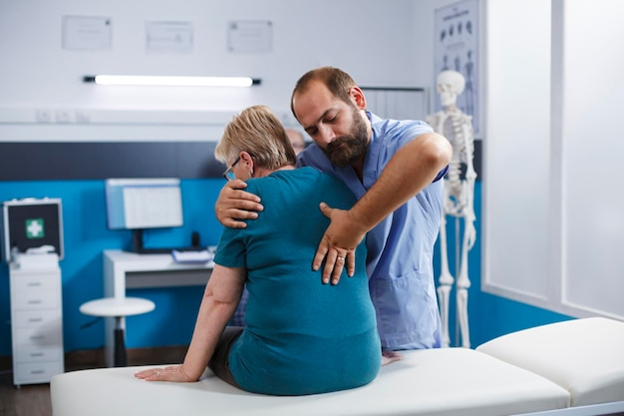
Many older adults possess a strong desire to continue living in their own residence. This familiar environment offers comfort, independence, and a deep sense of personal connection. A comprehensive range of support exists to make this aspiration a practical and sustainable reality.
This support addresses both the physical and mental wellbeing of an individual. It encompasses everything from companionship and household tasks to more specialised personal assistance. The focus is always on delivering personalised support that respects the person’s unique circumstances and preferences.
There is a growing recognition of the profound benefits of receiving dedicated assistance within one’s own home. It allows an individual to maintain their daily routines and social connections. This approach often provides greater emotional comfort compared to relocating to an institutional setting.
Families also gain significant peace of mind knowing their loved one is in capable hands. Trained professionals provide not just practical help but also meaningful companionship. This holistic model ensures an older person can age with dignity whilst receiving the professional attention they require.
Key Takeaways
- A comprehensive range of support enables older adults to continue living in their own homes.
- This assistance focuses on both physical wellbeing and mental wellness.
- Personalised care plans are tailored to an individual’s specific needs and wishes.
- Remaining in a familiar environment offers significant emotional and practical advantages.
- Professional support provides families with reassurance and peace of mind.
- The goal is to promote independence and a high quality of life for as long as possible.
Understanding Home Care Services for the Elderly
A tailored approach to assistance allows seniors to preserve their autonomy while ensuring safety. This model focuses on individual preferences and specific requirements.
What Home Care Entails
Professional support encompasses various essential activities. These include help with personal care like bathing and dressing.
Carers also assist with daily tasks around the house. Light housekeeping and meal preparation maintain a comfortable living space.
Meaningful companionship reduces feelings of isolation. This holistic approach addresses both practical and emotional needs.
The Benefits of Receiving Care at Home
Remaining in familiar surroundings offers significant emotional advantages. Cherished possessions and memories provide comfort and stability.
This option avoids the upheaval of moving to a care home. Established routines and social connections can continue uninterrupted.
A proper assessment determines the appropriate level care required. Families gain peace of mind knowing their loved one receives dedicated attention.
The familiar environment positively impacts mental wellbeing. It promotes independence while ensuring necessary support is available.
Tailored Care Options to Support Independence
Individualised support plans are built around the concept of fostering self-reliance in a familiar setting. This approach ensures a person receives the right level of assistance to live confidently.
Personalised Support for Daily Tasks
Professional assistance is carefully calibrated. A carer provides personalised support that encourages an individual to remain as active as possible.
This collaborative relationship respects established routines and personal preferences. The goal is to offer help with daily tasks only where needed, promoting dignity.
This thoughtful calibration is key to maintaining a sense of independence. It allows one to continue enjoying hobbies and social engagements.
Housekeeping and Meal Preparation
Practical support extends to maintaining a comfortable living environment. Light housekeeping, such as cleaning and laundry, is handled respectfully.
Nutritious meal preparation is another vital component. Carers plan and cook meals according to specific dietary needs and tastes.
This ensures good nutrition and hydration, which are essential for health. The focus is always on enabling a person to live well on their own terms.
Exploring Live-In and Overnight Care Solutions
Moving beyond scheduled visits, live-in care ensures a consistent, reassuring presence for those with significant needs. This option provides dedicated, one-to-one support around the clock.
A professional carer resides in the property, offering assistance as required. This arrangement allows a person to maintain their cherished routines and independence.
Advantages of Live-In Care
This model offers a compelling alternative to moving into a residential care home. The individual receives personalised attention tailored to their specific wishes.
They continue living surrounded by familiar possessions and memories. Carers typically work on a rota basis, ensuring continuous support is always available.
Costs for this comprehensive solution start from approximately £1,150 per week. This provides families with significant peace of mind.
Providing Continuous Overnight Support
Overnight care addresses vulnerabilities during the night. It is ideal for those who need help with toileting or are at risk of falls.
There are two main options: sleeping or waking night carers. A sleeping carer is present but rests, ready to assist if called upon.
A waking carer remains alert throughout the night for active monitoring. This is crucial for individuals with conditions like Parkinson’s, offering immediate support in an emergency and enhancing safety.
Respite Care and Its Impact on Quality Life
Temporary care solutions play a vital role in maintaining the wellbeing of both individuals receiving support and their dedicated family members. This short-term arrangement provides essential breathing space that sustains long-term caring relationships.
Short-Term Support for Carers
Respite care offers flexible options ranging from a few hours to several weeks. Family carers can take necessary breaks for holidays or personal needs. Their loved ones continue receiving professional attention during this time.
This support prevents carer burnout and exhaustion. It maintains positive relationships between family members. The arrangement significantly enhances overall quality life for everyone involved.
Professional respite carers bring fresh energy and expertise to each situation. They may introduce new activities or routines that benefit the individual. Families gain reassurance knowing their relative receives capable support.
Live-in respite typically requires a minimum of three days per week. This comprehensive option provides round-the-clock assistance when families need help. It ensures continuity during hospital recovery or temporary care gaps.
Accessing respite care represents a proactive strategy for sustainable support. It demonstrates thoughtful planning rather than inadequacy. This approach protects both physical and emotional health over time.
Enhancing Mobility and Medication Assistance
Two fundamental aspects of maintaining wellbeing involve safe mobility and correct medication usage. Trained professionals provide essential support in both areas, ensuring individuals can move confidently and manage their health effectively.
Mobility assistance begins with safety assessments. Carers identify potential hazards like loose rugs or poor lighting. This proactive approach significantly reduces fall risks.
Practical help includes supporting transfers between furniture and assisting with walking. The focus remains on encouraging maximum independence while ensuring safety. Each person’s unique needs determine the level of assistance required.
| Type of Mobility Support | Key Benefits | Typical Activities |
|---|---|---|
| Transfer Assistance | Prevents falls during position changes | Bed-to-chair transfers, toilet assistance |
| Walking Support | Maintains mobility and confidence | Stabilising during walks, using aids correctly |
| Environmental Safety | Reduces accident risks significantly | Removing trip hazards, improving lighting |
Medication management represents another critical care component. A carer can collect prescriptions and organise dosages correctly. They ensure medications are taken at the right times.
This support includes using dosette boxes and providing reminders. For those with dexterity issues, hands-on assistance with administration is available. Proper medication adherence improves health outcomes dramatically.
Some locations offer additional monitoring services. These may include checking vital signs or blood glucose levels. Such oversight helps manage chronic conditions effectively.
The combination of mobility and medication support creates a powerful synergy. Proper medicine management supports physical function. Meanwhile, mobility assistance enables active engagement despite limitations.
Emotional Wellbeing and Companionship at Home
Companionship and emotional support form the heart of truly effective personal assistance arrangements. This dimension goes beyond practical tasks to address fundamental human needs for connection and belonging.
Fostering a Trusted Care Relationship
Building a genuine bond between individuals and their carer transforms the entire experience. Care providers are carefully matched based on shared interests and values.
This thoughtful matching process ensures compatibility from the start. It creates a foundation for meaningful interactions that extend beyond professional duties.
| Companionship Activity | Emotional Benefit | Frequency |
|---|---|---|
| Shared hobbies and interests | Enhances joy and engagement | Daily/Weekly |
| Reminiscence conversations | Preserves identity and memories | Regular basis |
| Social outings and visits | Reduces isolation significantly | As preferred |
The Role of Companionship in Mental Health
Regular social interaction provides crucial mental stimulation. It helps maintain cognitive function and emotional resilience.
Loneliness poses serious health risks for older people. Having a consistent companion dramatically improves overall wellbeing.
“The relationship between a person and their companion represents more than scheduled visits—it’s a source of genuine comfort and stability.”
This emotional support enhances quality life profoundly. Individuals maintain their sense of self while receiving necessary assistance.
Innovative Approaches to Managing Medical Conditions
Living with complex medical conditions requires specialised approaches that maintain dignity and independence. Professional carers receive extensive training to support individuals with neurological challenges.
This training includes understanding disease progression and managing symptoms compassionately. Carers learn techniques that preserve quality life despite health limitations.
Support for Dementia and Parkinson’s
Dementia care involves validation therapy and reminiscence activities. These approaches help maintain cognitive function and emotional connection.
Carers create safe environments by reducing trip hazards and establishing familiar routines. Consistent patterns provide comfort for those living with memory challenges.
Parkinson’s support addresses mobility difficulties and medication timing precisely. Trained professionals assist with movement and ensure correct dosage administration.
| Condition | Specialised Techniques | Daily Support Focus |
|---|---|---|
| Dementia | Validation therapy, memory activities | Routine maintenance, safety monitoring |
| Parkinson’s Disease | Mobility assistance, medication management | Movement support, timing precision |
Collaboration with healthcare teams ensures comprehensive medical oversight. Carers monitor changes and communicate with specialists regularly.
This integrated approach allows people to remain in their own homes safely. It provides families confidence that complex needs receive expert attention.
Supporting Loved Ones with Personalised Home Care – Knightsbridge Care
Finding the right support for a loved one begins with understanding their unique situation and preferences. Knightsbridge Care approaches each client with deep commitment to comprehending medical conditions, personal values, and family dynamics.
A comprehensive assessment forms the foundation of effective support. This evaluation examines physical health, cognitive function, and emotional wellbeing. It also considers social needs and environmental factors within the person’s residence.
Customised Care Plans Meeting Individual Needs
These detailed assessments inform truly personalised support packages. Care options range from minimal assistance with daily tasks to comprehensive live-in arrangements. Each plan matches the exact level of support required.
Thorough needs assessments identify specific requirements and potential risks. They also determine eligibility for local authority funding. This process helps families understand which approach best serves their loved one’s interests.
Knightsbridge Care involves the individual, family members, and healthcare professionals in collaborative planning. This ensures support reflects personal wishes while addressing practical needs. Customised plans evolve through regular reviews as circumstances change.
Expert Care from Knightsbridge Care Services Ltd
Exceptional home support begins with the people who provide it. The selection process for care professionals involves multiple verification stages.
Enhanced DBS checks and thorough reference validation ensure only trustworthy individuals join the team. Interviews assess genuine compassion alongside practical skills.
Integrating Professional Medical Support
Carers receive industry-leading training covering clinical procedures and complex condition management. This includes medication administration and specialist dementia support techniques.
Qualified nurses and therapists work alongside the care team when needed. This integrated approach maintains clinical standards within the home environment.
Ensuring Safety and Continuity in Care Provision
Direct employment provides better job security than agency work. This stability allows carers to focus fully on delivering consistent, high-quality support.
Regular supervision and 24/7 management backing maintain safety standards. Families gain peace of mind through systematic monitoring and responsive adjustments.
Services from Knightsbridge Care Services Ltd undergo independent inspection by regulatory bodies. This external verification confirms adherence to national standards.
Costs typically start from £1,150 per week for comprehensive packages. This investment ensures reliable support without residential care relocation.
Integrating Family Involvement and Holistic Support
The integration of loved ones into care planning transforms the experience from mere assistance to genuine partnership. This collaborative approach ensures every aspect of a person’s wellbeing receives attention.
Encouraging Family Participation in Care
Holistic support considers physical health, emotional comfort, and social connections. It addresses the whole person rather than just practical needs.
Family members contribute invaluable knowledge about personal preferences and history. Professional teams work alongside relatives, maintaining open communication channels.
This partnership allows families to focus on emotional bonds rather than care tasks. They can participate in meals, maintain traditions, and visit without restrictions.
The approach strengthens relationships and reduces stress for everyone involved. It creates a balanced system where professional expertise complements family love.
Conclusion
Modern approaches to personal support have transformed how individuals can age gracefully in familiar surroundings. The comprehensive range of assistance available enables older adults to maintain their independence and dignity while continuing to live where they feel most comfortable.
This professional arrangement provides a viable alternative to residential settings. It allows a loved one to remain home surrounded by cherished possessions and memories. Tailored support addresses everything from companionship to complex medical needs.
Families gain significant peace mind knowing their loved one receives expert attention. The right level of care ensures both safety and enhanced quality of life.
Exploring these comprehensive home care services for the elderly represents a thoughtful step toward sustainable wellbeing. It supports individuals to thrive in their own home with appropriate professional support.
FAQ
What is the main difference between a residential care home and receiving support at home?
The primary distinction is the environment. A residential facility involves moving to a dedicated establishment, whereas home care allows a person to remain in their own property. This familiar setting often provides greater comfort and helps maintain independence.
How does a live-in carer support someone with complex needs?
A live-in carer offers continuous, one-to-one assistance. They provide help with personal care, medication prompts, meal preparation, and mobility. This constant presence ensures safety and delivers personalised support tailored to the individual’s specific requirements.
What tasks are typically included in daily home care services?
Daily tasks often encompass personal hygiene, dressing, and meal preparation. Support can also extend to housekeeping, companionship, and administering medication. The exact activities are agreed upon in a customised care plan following an initial assessment.
Can respite care be arranged for short periods?
A> Yes, respite care is designed for short-term needs. It offers a break for family members who are primary carers or provides cover during a holiday. This flexible option ensures continuity of support, giving everyone peace of mind.
How do providers like Knightsbridge Care manage medical conditions such as dementia?
Specialist carers receive training to understand conditions like dementia and Parkinson’s. They use innovative approaches to provide compassionate support, focusing on routine and familiarity to reduce anxiety and promote a better quality of life.
What is involved in creating a personalised care plan?
A comprehensive assessment is conducted to understand the individual’s needs, preferences, and health. The resulting plan details the level of assistance required for daily tasks, medication, and mobility, ensuring the support is entirely bespoke.
How is the safety and wellbeing of a client ensured?
Reputable providers implement rigorous safety protocols. This includes thorough carer vetting, regular reviews of the care plan, and consistent communication with the client and their family. This integrated approach prioritises the individual’s health and security.