


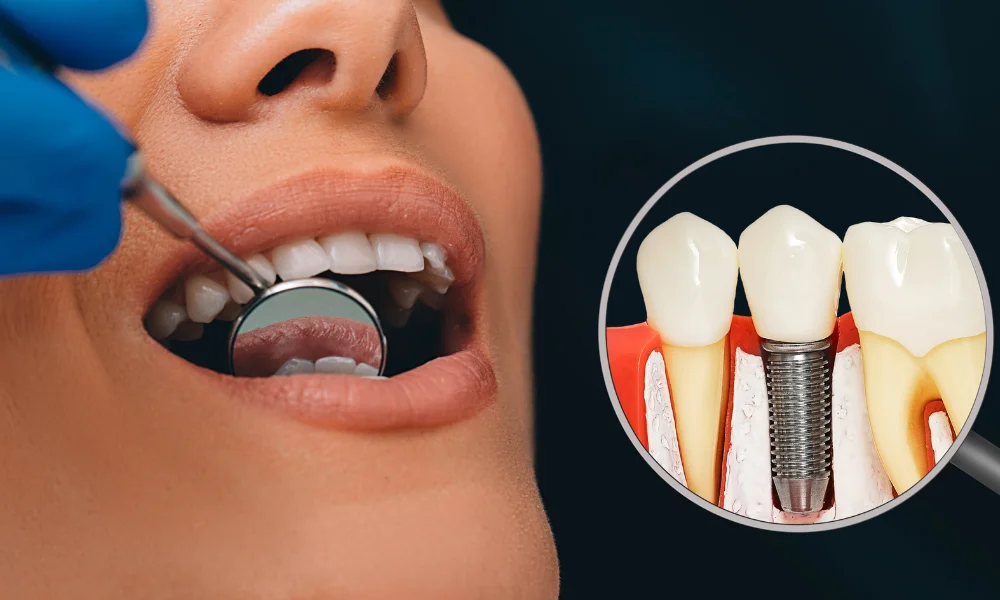
Modern dentistry offers powerful solutions for those facing extensive dental issues. When many teeth are damaged, missing, or decayed, a single procedure often isn’t enough. A comprehensive approach is required.
This guide explores how advanced techniques work together. It details a process that rebuilds oral health and function. The goal is a healthy, confident smile.
Tooth loss is a common challenge. Many adults experience it due to age, disease, or injury. This can affect chewing, speech, and self-esteem. A complete dental reconstruction addresses these problems holistically.
It is not merely a cosmetic fix. This treatment plan fundamentally improves the mouth‘s mechanics. It combines several proven methods for a lasting result. Each plan is tailored to the individual’s unique needs.
Patients can look forward to renewed comfort and appearance. The outcome is a transformation that impacts daily life positively.
Key Takeaways
- Extensive dental problems often require a combined treatment strategy for the entire mouth.
- This approach goes beyond aesthetics to restore crucial functions like chewing and speaking.
- Treatment is highly personalised, based on a patient’s specific dental health and goals.
- Modern reconstructive techniques offer durable, long-term solutions for complex cases.
- Addressing widespread tooth loss can significantly enhance one’s overall quality of life.
- The process involves a detailed plan that may integrate several types of dental prosthetics.
Overview of Full-Mouth Reconstruction Benefits
Patients embarking on a major dental rebuild discover benefits that are both immediately functional and deeply aesthetic. This approach solves multiple problems at once, offering a holistic upgrade to a person’s oral health and daily comfort.
Functional Improvements
The core functional gains are life-changing. Properly aligned teeth restore efficient chewing, allowing a varied diet for better nutrition. It also resolves a faulty bite, which is a common source of chronic jaw pain and headaches.
Speech clarity often improves as gaps are filled. Furthermore, removing decayed structures eliminates chronic infection sources. This protects a patient’s overall health by reducing systemic risks.
| Aspect | Functional Improvements | Aesthetic Enhancements |
|---|---|---|
| Primary Benefit | Restored chewing & proper bite | Natural, confident smile |
| Impact on Daily Life | Pain-free eating, clear speech | Boosted self-esteem in social settings |
| Long-Term Value | Stable oral foundation, easier hygiene | Youthful facial support, durable results |
Aesthetic Enhancements
Beyond function, the visual transformation is profound. A harmonious smile rebuilds facial contours, often creating a more youthful appearance. This visual renewal significantly impacts confidence.
Improving a smile’s appearance can also boost self-esteem.
WebMD
Well-designed dental work is easier to keep clean. This supports long-term oral health and helps patients maintain their results for decades. The best treatment option addresses beauty and biology as one.
Understanding the Process of Full-Mouth Dental Restoration
Successful oral reconstruction relies on a meticulous initial phase of diagnosis and strategy. This structured approach ensures every treatment addresses the individual’s unique situation.
Initial Consultation and Assessment
The first appointment involves a thorough evaluation. The dentist gathers essential information about the patient’s oral and general health.
Advanced tools like digital X-rays and 3D scans are used. They assess bone structure and the condition of each tooth. A bite analysis checks jaw alignment and joint function.
| Assessment Component | Primary Purpose | Tools & Methods |
|---|---|---|
| Digital Imaging | Evaluate bone & tooth structure | X-rays, 3D scans |
| Bite Analysis | Determine proper jaw function | Physical examination, models |
| Periodontal Exam | Assess health of gum tissues | Probe measurement, visual check |
| Medical History Review | Identify factors affecting healing | Patient questionnaire, discussion |
Healthy gums are vital for supporting future implants or crowns. The dentist also reviews the patient’s full medical history. This discussion includes personal goals for function and aesthetics.
Comprehensive Treatment Planning
All collected data shapes a custom treatment plan. This detailed plan is tailored to the patient’s specific needs.
It prioritises procedures based on urgency. The sequence is designed for optimal healing and efficiency. Realistic timelines and clear cost estimates are provided.
This phase ensures the mouth reconstruction is logical, safe, and aligned with the patient’s vision. The goal is a predictable path to a restored, healthy mouth.
Detailed Look at Crowns, Bridges, and Implants
Understanding the distinct purposes of crowns, bridges, and implants is key to a successful dental rehabilitation. Each component serves a specific role in rebuilding a patient’s smile.
Role of Dental Crowns in Restoration
A dental crown acts as a protective cap. It is often made from porcelain and fits over a tooth weakened by decay or injury.
This treatment restores shape and strength. It shields the natural structure from further damage. For a missing tooth, a crown can be attached to a dental implant. This creates a standalone replacement.
Significance of Bridges and Implants
Bridges fill gaps where one or more teeth are lost. A traditional design uses crowns on adjacent teeth as anchors.
These support a false tooth in between. An implant-supported bridge uses implants as its foundation instead. This preserves healthy tooth structure.
Implants are titanium posts placed in the jawbone. They act as artificial roots, providing superb stability. This also stimulates bone, preventing its loss.
| Prosthetic Type | Primary Function | Best For |
|---|---|---|
| Crown | Cover and protect a damaged tooth | Teeth with large fillings, cracks, or after root canal |
| Bridge | Replace one or more missing teeth in a row | Gaps where adjacent teeth are strong enough for support |
| Implant | Serve as a root for a single crown or bridge | Replacing individual teeth without affecting neighbours |
Used together, these elements address all aspects of complex dental issues. They repair damaged teeth, span empty spaces, and replace lost roots. This coordinated strategy offers a complete solution.
Full Mouth Restoration Options: Crowns Bridges and Implants Combined
Effective rehabilitation for multiple damaged or missing teeth hinges on a combined prosthetic approach. This strategy uses each solution for its specific strength.
Dental implants often form the plan’s foundation. They replace lost roots, stabilise the jawbone, and provide anchors for other treatments.
Where natural teeth remain but are weak, crowns offer protection. They cover and strengthen these structures, ensuring longevity.
Bridges seamlessly fill gaps between implants or crowned teeth. This creates a continuous, functional dental arch.
| Component | Primary Role in Combined Plan | Typical Application |
|---|---|---|
| Implant | Acts as an artificial tooth root for stability | Replacing single missing teeth or supporting bridges/dentures |
| Crown | Protects and reinforces a compromised natural tooth | Teeth after root canal therapy or with large fractures |
| Bridge | Spans the space of one or more absent teeth | Multiple adjacent gaps where implants are not placed for each tooth |
This coordinated treatment follows a logical sequence. It addresses gum health first, then places implants, and finally attaches the permanent crowns or bridges.
The result is a customised mouth reconstruction. It delivers better function, aesthetics, and durability than any single treatment could alone.
Customised Treatment Planning for Your Smile
Creating a truly personalised dental rehabilitation begins with a detailed and collaborative planning stage. This customised treatment strategy is built entirely around the individual’s unique circumstances and goals.
Personalised Consultations
The dentist listens carefully to understand a patient’s concerns, preferences, and lifestyle. This dialogue ensures the final treatment plan aligns with their personal priorities.
Procedures are then prioritised based on clinical urgency. Foundational work, like addressing infection, comes first. This logical sequence supports optimal healing and long-term success.
For complex cases, the dentist coordinates seamlessly with specialists. This integrated approach ensures every aspect of the restoration is handled by an expert.
The best care is always a partnership between clinician and patient.
Transparent timelines and cost estimates are provided upfront. Patients are actively involved in decisions, setting realistic expectations for their new smile. This collaborative process addresses both functional needs and aesthetic desires.
Patient Eligibility and Candidate Considerations
Eligibility for extensive oral rehabilitation is assessed on an individual basis, considering both dental and general health. Not everyone with widespread problems will require the same approach.
The ideal candidate often faces multiple challenges throughout their mouth. These can include several missing teeth, severely damaged teeth from decay or trauma, or advanced gum disease.
Assessing Dental Health and Oral Function
Dentists look for specific functional issues. Chronic pain, difficulty chewing, or speech problems are key indicators.
Significant wear from grinding or acid erosion also suggests a need for a comprehensive plan. So does a history of failed dental work that no longer functions properly.
This evaluation ensures the proposed treatments directly address the patient’s core oral health and functional needs.
Identifying Your Specific Treatment Needs
Overall medical health is a crucial factor. Conditions like uncontrolled diabetes may require management before surgery.
Active gum disease or low bone density often need preliminary treatments. This prepares the foundation for a successful, long-term mouth reconstruction.
Most patients with significant dental problems can become suitable candidates. A detailed consultation clarifies the path forward for each person.
Innovations in Dental Implant and Restoration Techniques
Recent advances in dental technology have transformed the approach to rebuilding smiles. Modern dentistry now offers sophisticated methods that make complex restoration faster and more predictable.
These innovations benefit patients who need multiple teeth replaced. They improve both the process and the long-term outcome.
Cutting-edge Procedures Endorsed by Banning Skin Ltd
Techniques like All-on-4® and All-on-6 are revolutionary. They restore an entire arch of teeth using only four to six strategic implants.
This approach often avoids the need for a bone graft. Progressive practices, including those associated with Banning Skin Ltd, endorse these methods.
Computer-guided implant placement uses 3D imaging for precision. Minimally invasive surgery reduces healing time.
Immediate load protocols allow temporary teeth on the same day. This gives patients function and aesthetics quickly.
| Innovative Technique | Key Feature | Primary Benefit |
|---|---|---|
| All-on-4®/All-on-6 | Full arch support with minimal implants | Efficient, often graft-free solution |
| Computer-Guided Surgery | 3D planning for precise placement | Enhanced safety and predictability |
| Immediate Load | Temporary teeth placed same day | Reduced treatment time, instant smile |
Advanced Bone Grafting Methods
When bone density is insufficient, grafting creates a solid foundation. Advanced methods have expanded candidacy for dental implants.
Guided bone regeneration uses barrier membranes. Sinus lift procedures increase height in the upper jaw.
Ridge augmentation rebuilds width and height. Modern materials like synthetic substitutes eliminate the need for a second surgical site.
Growth factors and platelet-rich technologies accelerate healing. This prepares the site for successful implant integration.
Digital dentistry further improves outcomes. Intraoral scanners replace messy impressions.
CAD/CAM technology creates precise restorations. Digital smile design lets patients preview their new teeth.
3D cone beam CT scans provide detailed views of bone structure and nerves. This allows for meticulous treatment planning.
These innovations make comprehensive mouth reconstruction more accessible. They offer comfort, predictability, and excellent aesthetic results for many patients.
Integrating Cosmetic and Functional Restoration
The most successful smile transformations consider both health and beauty as inseparable goals. This philosophy is central to modern restorative dentistry.
It recognises that a comprehensive mouth reconstruction provides the perfect chance to address appearance alongside function. The result is a smile that works well and looks natural.
Expert Insights from Banning Dental
Progressive practices, such as Banning Dental, emphasise a balanced plan. A proper bite and efficient chewing are fundamental needs.
These functional requirements are planned alongside aesthetic goals. Colour, shape, and the relationship between teeth and gums are all considered. This integrated approach ensures a harmonious result.
Enhancing Smile Appearance and Confidence
Porcelain veneers are a prime example of this dual-purpose thinking. They protect a cracked or chipped tooth from further damage.
Simultaneously, they improve the colour and alignment of visible front teeth. Other elements of cosmetic dentistry are often included.
Professional whitening, gum contouring, and careful tooth shaping are common. Research shows an improved smile significantly boosts self-esteem and social confidence.
A skilled dentist views each case holistically. They ensure functional corrections create attractive, natural-looking results. This complete treatment addresses physical health and psychological well-being together.
Post-Treatment Care and Maintenance Strategies
Protecting your investment in a renewed smile requires a dedicated commitment to post-treatment care. The durability of complex dental work depends significantly on consistent maintenance.
Long-term Oral Care Practices
Daily hygiene is crucial for oral health. Patients should brush twice with a soft-bristled brush. They must floss or use interdental cleaners around artificial teeth.
Special care is needed for dental implants. While implants resist decay, the surrounding gums can develop infection. Meticulous cleaning prevents peri-implantitis.
Fixed bridges require threading floss beneath the pontic. Implant-supported dentures must be removed and cleaned daily. Natural teeth with crowns need attention to prevent decay.
| Aspect | Daily Home Care | Professional Maintenance |
|---|---|---|
| Primary Focus | Plaque removal & gum care | Assessment & deep cleaning |
| Key Actions | Brushing, flossing, antimicrobial rinse | X-rays, bite check, professional scaling |
| Optimal Frequency | Twice daily | Every 3 to 6 months |
Importance of Regular Check-ups
Routine visits to the dentist are essential. They monitor gum health and check for loosening restorations.
Periodic X-rays assess bone levels. Professional cleanings remove stubborn plaque. This helps catch minor problems early.
Consistent professional care is the cornerstone of lasting dental work.
Lifestyle choices protect your smile. Wear a night guard if you grind your teeth. Avoid chewing ice and tobacco use.
Recognise warning signs like pain, swelling, or a change in bite. Prompt attention prevents minor issues from becoming major.
Conclusion
Achieving a healthy, functional smile is within reach for those facing complex dental challenges. A comprehensive mouth reconstruction that skilfully integrates several prosthetic options can transform both oral function and appearance. This approach addresses damaged or missing teeth holistically, offering a complete mouth solution.
Modern techniques, including advanced dental implants, make this restoration more comfortable and predictable. The coordinated use of crowns, bridges, and implants provides a durable, aesthetic result. Benefits extend far beyond oral health, improving nutrition, speech, and confidence.
The first step is to schedule an appointment with an experienced dentist. They assess your situation and discuss treatment options. Many patients with complex cases find suitable paths. Do not delay—take action today for a complete oral rehabilitation and the confident smile you deserve.
FAQ
What is the typical cost for a full mouth reconstruction?
The investment for a complete smile rehabilitation varies significantly, as each plan is bespoke. Factors include the number of procedures needed, the materials selected, and the complexity of the case. A detailed consultation with a practice like Banning Dental Group is essential to receive an accurate, personalised quotation.
How long does the entire treatment process usually take?
The timeline for rebuilding a smile can span several months to over a year. This duration allows for thorough healing between stages, such as after bone grafting or implant placement. Your dentist will create a phased schedule that prioritises your long-term oral health and final result.
Is the procedure painful?
Modern dentistry prioritises patient comfort. Procedures are performed using effective local anaesthesia, and sedation options are often available for more complex treatments. While some discomfort may be expected during recovery, this is manageable with prescribed or over-the-counter pain relief.
How do I care for my new teeth after treatment?
Maintaining excellent oral hygiene is crucial. This includes diligent brushing, flossing, and using any specialised tools recommended by your dentist. Attending regular check-ups and professional cleans at your dental practice ensures the longevity of your crowns, bridges, and implants.
Who is a suitable candidate for this type of dental work?
Ideal candidates are individuals with multiple missing, broken, or severely decayed teeth, or those suffering from advanced gum disease. A comprehensive assessment will evaluate jawbone density, overall systemic health, and personal goals to determine if this comprehensive approach is the best solution.