



Psilocybin retreats offer a unique opportunity for personal growth, emotional healing, and self-discovery. Whether you are seeking relief from emotional distress, a deeper connection to yourself and others, or a renewed sense of meaning and purpose, a psilocybin retreat in Jamaica can provide a structured environment to explore these goals. Understanding what to expect can help you prepare for the experience, both during the sessions and in the integration process afterward.
What is a Psilocybin Retreat?
A psilocybin retreat involves consuming psilocybin mushrooms or truffles in a safe, guided setting. Psilocybin is a classic psychedelic that converts into psilocin in the body, which interacts with serotonin receptors in the brain to produce psychedelic effects. Recent research has shown that psilocybin influences a wide array of neural pathways, contributing to changes in perception, emotion, and cognition.
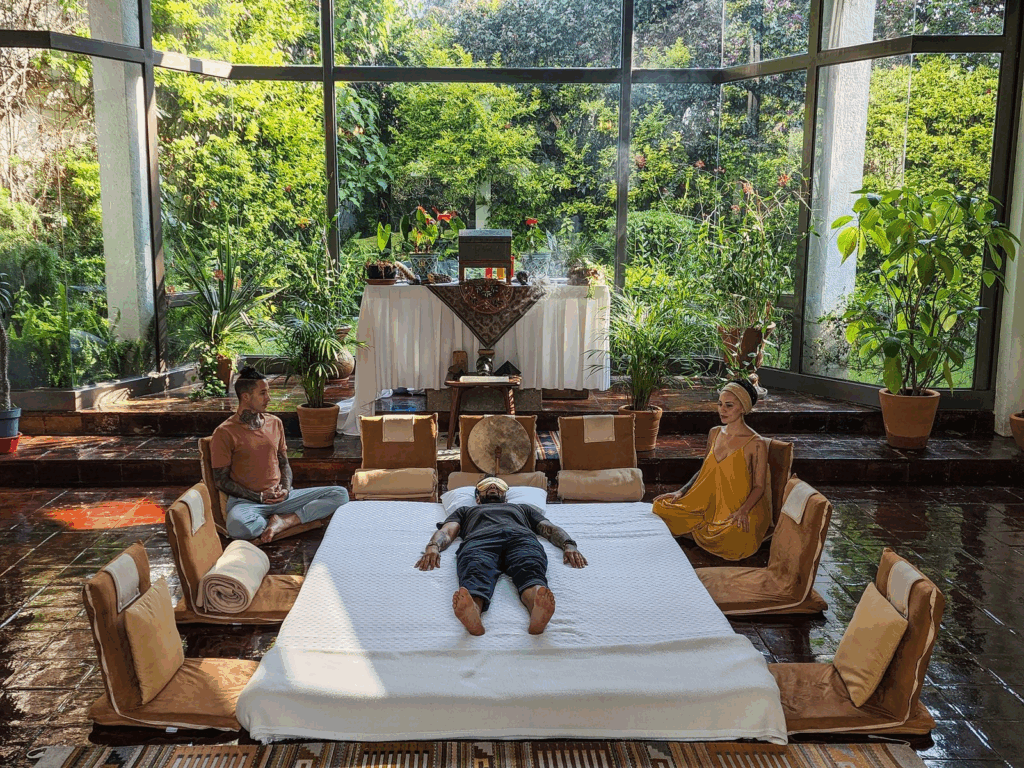
Retreats are often held in nature-based settings to encourage relaxation and introspection. Facilitators are present to guide participants through the preparation, dosing, and integration phases of the retreat. Ideally, these facilitators have training in mental health or professional therapeutic fields, ensuring a safe and supportive environment. Retreats may be conducted in small group settings or privately for a more personalized experience.
Reasons People Attend Psilocybin Retreats
Participants attend psilocybin retreats for a variety of reasons, including:
- Healing from long-term mental health challenges, such as depression, anxiety, PTSD, or end-of-life distress.
- Coping with grief or experiencing emotional catharsis.
- Personal growth and self-understanding.
- Strengthening connections to oneself, others, nature, and the world.
- Gaining clarity on life direction, career, or relationships.
- Exploring spirituality, either through religious traditions, secular practices, or a sense of connection to a higher power.
Preparing for a Psilocybin Retreat: Mindset, Intention, and Safety
Proper preparation is crucial for a meaningful and safe psilocybin experience. Setting an intention and cultivating a prepared mindset can greatly influence your journey. Researchers have identified key areas of readiness for psychedelic experiences:
- Knowledge and Expectations: Understanding what to expect from the psychedelic experience, including potential emotional and perceptual changes.
- Intention and Preparation: Clarifying your goals for the retreat and what you hope to gain.
- Psychophysical Readiness: Being prepared to confront challenging emotions and physical sensations during the experience.
- Support Planning: Ensuring a supportive environment during the retreat and having a plan for integrating insights afterward.
Approaching the experience with openness and a willingness to “trust, let go, and be present” helps participants navigate challenging moments and turn them into meaningful insights.
The Psilocybin Retreat Experience: Sessions and Daily Schedule
Psilocybin retreats often follow a structured schedule, which may include arrival and orientation, guided sessions, and integration periods. A typical retreat might involve:
- Arrival Day: Settle in, meet facilitators and other participants, and acclimate to the environment.
- Psilocybin Sessions: Guided sessions with intention-setting, dosing, and support. Participants may lie down, use eye masks, and listen to curated music to facilitate introspection.
- Integration Days: Group discussions and activities to process experiences and insights.
- Departure Day: Final reflections and preparation for returning home with an integration plan.
Dosing methods vary, commonly using encapsulated dried mushrooms or psilocybin tea. Retreats usually offer one to three sessions, with doses tailored to induce deep introspective or mystical experiences safely.
Potential Effects of Psilocybin
During a retreat, participants may experience:
- Strong emotions and emotional release
- Introspection and personal insight
- Altered sensory perception and time distortion
- Visions, especially with eyes closed
- Mystical experiences such as ego dissolution and profound interconnectedness
Each participant’s journey is unique, and experiences may vary in intensity and nature.
The Role of Facilitators
Facilitators provide guidance and emotional support throughout the retreat. Their role is often non-directive, meaning they do not guide the experience in a specific direction but help participants navigate emotions and challenges. Facilitators may provide grounding techniques, non-sexual physical support if consented, and guidance during the integration process.
Many facilitators have training in psychotherapy, psychedelic therapy, and integration practices, equipping them to support a wide range of responses to psilocybin.
Integration Practices After the Retreat
Integration involves applying insights from the retreat into daily life. Practices that support integration include:
- Meditation and breathwork
- Journaling
- Therapy or psychedelic integration coaching
- Spending time in nature
- Connecting with community or fellow participants
- Creative activities, such as music or art
- Reflective reading and attending integration circles
Integration helps participants sustain the positive effects of the retreat and implement meaningful changes in their lives.
Benefits of Attending a Psilocybin Retreat
Research and participant reports suggest that psilocybin retreats can offer lasting benefits, including:
- Relief from depression, anxiety, PTSD, and addiction
- Increased openness and creativity
- Enhanced mindfulness and empathy
- Greater sense of meaning and purpose in life
- Stronger connection to nature and others
- Reduced neuroticism and improved emotional regulation
Safety, Legal Considerations, and Exclusions
Psilocybin retreats are not suitable for everyone. Individuals with a personal or family history of schizophrenia, bipolar disorder, or psychotic disorders should avoid psilocybin. Certain medications, heart conditions, and pregnancy or breastfeeding also pose safety risks.
The legal status of psilocybin varies by country and region. Some locations allow legal retreats, while others may have decriminalized or restricted use. It is essential to research and comply with local laws to ensure a safe and legal experience.
Conclusion: Approaching a Psilocybin Retreat with Care
Psilocybin retreats can offer profound healing, self-discovery, and spiritual experiences. They require careful preparation, trusted facilitators, and a safe, supportive environment. By approaching the retreat with openness, intention, and mindfulness, participants can maximize the potential benefits and integrate insights into their everyday lives for lasting positive change.