

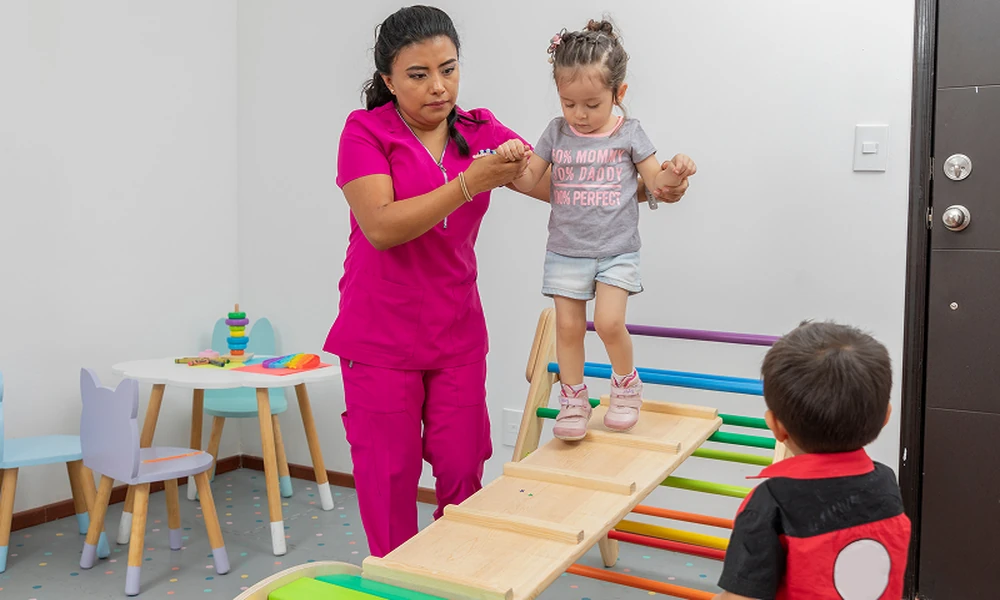
Children develop movement skills at different rates. Some begin walking earlier than others, and individual differences in confidence, coordination and physical ability are part of childhood. However, when a movement difficulty persists, affects daily activities or causes concern, parents may want to discuss it with a qualified healthcare professional. Paediatric physiotherapy in Singapore can support the assessment and management of movement-related difficulties in children.
A physiotherapist may evaluate strength, balance, coordination, posture and functional skills, then discuss whether intervention could help. No single behaviour automatically indicates a developmental problem, so the wider pattern, the child’s history and the effect on everyday life all matter.
1. Delays In Reaching Movement Milestones
Children generally develop movement skills in a broad sequence, but the timing varies. Parents may notice that a child has difficulty with activities such as sitting, crawling, standing or walking when compared with the expectations discussed during routine health visits. A single difference does not establish a diagnosis, but persistent concerns deserve attention.
Look at the child’s overall progress rather than focusing on one date or milestone in isolation. Consider whether new skills are emerging, whether the child uses both sides of the body in a functional way and whether movement difficulties affect play or daily routines. Information from parents, childcare staff and healthcare professionals can help build a fuller picture.
Developmental Signposts
| Observation | What Parents May Notice | Reason To Discuss It |
| Delayed movement skills | A child has difficulty developing expected sitting, standing or walking abilities | Progress may need professional review |
| Frequent falls | A child regularly loses balance during age-appropriate play | Balance, strength or coordination may need assessment |
| Difficulty with stairs | A child struggles with stepping, climbing or descending | Functional movement may be affected |
| Limited use of one side | A child consistently favours one side or uses a limb less | An assessment may help clarify the cause |
| Challenges with play | A child avoids activities involving running, jumping or climbing | Movement difficulties may limit participation |
| Loss of previously acquired skills | A child stops doing something they could previously do | Prompt medical assessment is important |
These signposts are prompts for discussion, not a checklist for diagnosing a child. Development depends on many factors, and a clinician can help determine whether an observed difference requires monitoring, assessment or further investigation.
2. Frequent Falls Or Difficulty With Balance
Falls are part of learning to move, especially in young children. However, frequent falls that interfere with play or occur alongside other movement concerns may warrant discussion. Parents can observe when falls happen, whether they occur on familiar surfaces and whether the child struggles with activities that require balance.
A physiotherapist may assess how the child stands, walks, changes direction and responds to different movement tasks. Depending on age and ability, the assessment may also look at strength, coordination, posture and confidence. The clinician can explain whether the findings suggest a need for support or referral.
Avoid testing balance through activities that could put the child at risk. Everyday observations are more useful than deliberately challenging the child with tasks beyond their ability. Share relevant details with the healthcare professional, including any recent injuries or changes in movement.
If a child suddenly develops significant balance problems, weakness or difficulty walking, seek prompt medical assessment rather than waiting for a routine physiotherapy appointment. Sudden changes may have causes that require timely investigation.
3. Challenges With Coordination And Motor Tasks
Coordination helps children manage activities such as catching a ball, jumping, climbing playground equipment and using both hands together. Some children need extra practice to learn these skills, but persistent difficulty may affect participation in school, sports or play.
Parents can note whether a child finds several movement tasks difficult or struggles mainly with one particular activity. Consider whether the child avoids physical play, becomes unusually frustrated or needs much more support than expected for familiar tasks. These observations can help a professional understand the practical impact.
A physiotherapist may assess movement patterns through age-appropriate activities and discuss ways to support physical skills. Recommendations could involve graded practice, balance activities, strength development or strategies that make everyday tasks easier. The plan should reflect the child’s abilities and interests rather than rely on a rigid set of exercises.
Coordination concerns can have different explanations, so assessment may involve collaboration with other healthcare professionals where needed. Parents should avoid labelling a child as clumsy or unmotivated before understanding the difficulty.
4. Difficulty With Everyday Physical Activities
Movement difficulties can affect routines such as dressing, getting up from the floor, climbing stairs, joining playground activities or keeping up during walks. A child may avoid these activities because they feel uncomfortable, tiring or difficult to manage.
Record the situations in which the difficulty occurs. Does the child struggle only after prolonged activity, or does the task remain challenging even with support? Is there pain, fatigue, reluctance or a clear difference between the two sides of the body? These details can help guide the assessment.
A physiotherapy in Singapore may help with exploring the child’s functional movement and consider how strength, endurance, balance and coordination contribute to the difficulty. Support may focus on building skills gradually, adapting an activity or helping caregivers encourage safe practice at home.
If a child reports persistent pain, has unexplained swelling or stops using a limb normally, seek medical advice. These symptoms should not automatically be attributed to poor coordination or a need for exercise.
5. Differences In Posture, Walking Or Movement Patterns
Parents sometimes notice unusual walking patterns, persistent toe walking, marked asymmetry or difficulty maintaining a stable posture. Some patterns may occur temporarily during development, while others may warrant closer assessment depending on the child’s age, history and symptoms.
A physiotherapist can observe the child moving, review their developmental history and assess relevant strength, flexibility and function. The purpose is to understand the pattern and its practical significance, not simply to make every child move in the same way.
Tell the clinician when the pattern first appeared and whether it has changed. Mention pain, fatigue, frequent falls, changes in footwear tolerance or difficulty participating in everyday activities. A sudden change, especially when accompanied by weakness or pain, requires prompt medical review.
Parents should not try to correct a movement pattern using forceful stretching, restrictive equipment or online exercise routines without suitable advice. The appropriate response depends on the underlying cause and the child’s individual needs.
6. Concerns About Movement After Injury Or Illness
An injury, operation or illness may affect a child’s strength, confidence, mobility or ability to return to normal activities. In some cases, a healthcare professional may recommend physiotherapy as part of recovery. The timing and type of support depend on the injury, healing process and medical advice.
Follow the treating clinician’s instructions about weight-bearing, movement restrictions and activity levels. A physiotherapist can work within those instructions to assess function and help the child progress when appropriate. The programme may involve gradual movement, balance practice or activities designed around everyday goals.
Parents should ask which symptoms are expected during recovery and which require further review. Increasing pain, new swelling, fever, sudden weakness or a marked decline in function should be reported to the relevant healthcare professional rather than managed by increasing exercise.
Preparing For An Assessment
When considering physiotherapy in Singapore for a child, gather relevant information about developmental history, previous injuries, medical conditions and the activities causing concern. Note when the difficulty occurs and how it affects daily life. If childcare staff or teachers have observed similar issues, their descriptions may provide useful context.
Ask the physiotherapist what the assessment will involve, what the findings mean and whether referral to another professional is appropriate. A child-friendly explanation and a plan that fits family routines can make participation easier.
Contact Orchard Health Clinic to discuss your child’s movement concerns and ask whether a paediatric physiotherapy assessment may be suitable.