


Living with eyeglasses or contact lenses can make simple activities feel inconvenient. Glasses may fog up, slide during exercise or become uncomfortable after hours of use. Contact lenses also require regular cleaning and careful handling. For people who want to reduce their dependence on corrective lenses, LASIK may be worth discussing with an eye doctor.
LASIK is a type of refractive surgery that reshapes the cornea-the clear front surface of the eye. Changing its shape helps light focus more accurately on the retina, which can improve nearsightedness, farsightedness and astigmatism.
Although the procedure itself is relatively quick, the process involves more than the surgery. Proper screening, realistic expectations and careful aftercare all play an important role in the outcome.
What Happens Before LASIK Surgery?
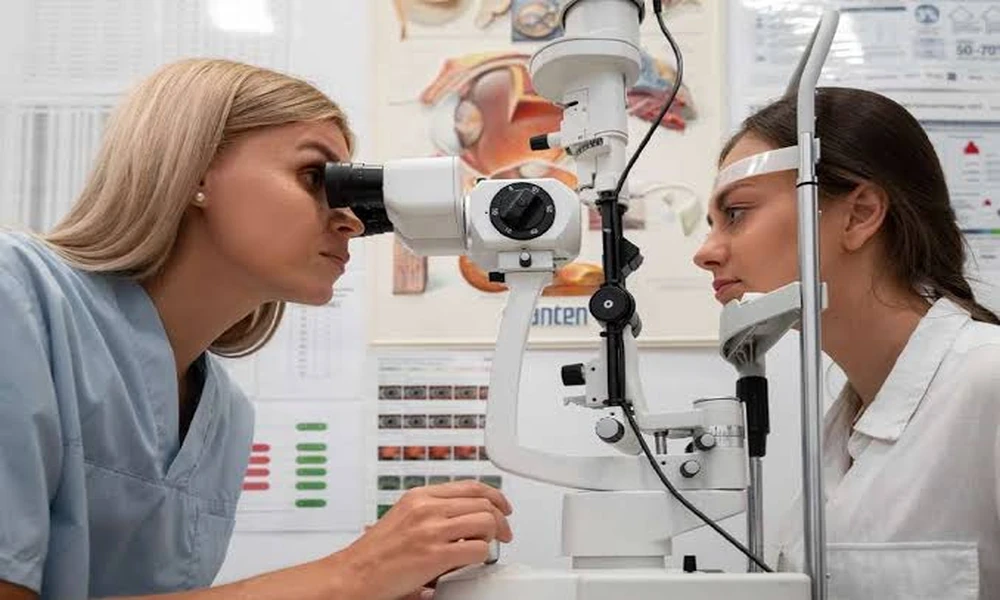
LASIK begins with a detailed eye examination. This step determines whether the procedure is appropriate for your eyes and vision needs.
Comprehensive Eye Screening
An ophthalmologist may perform several tests to examine:
- Your current eyeglass or contact lens prescription
- The thickness and shape of your cornea
- Your pupil size
- Your tear production and signs of dry eye
- Your overall eye health
- The stability of your vision prescription
- Conditions that may affect healing
Not everyone is a suitable LASIK candidate. People with thin or irregular corneas, uncontrolled dry eye, certain eye diseases or an unstable prescription may be advised to consider another option. Pregnancy, some health conditions and certain medications may also affect eligibility.
The screening should not be treated as a formality. It helps the surgeon identify possible risks and decide whether LASIK can reasonably meet the patient’s expectations.
Preparing for the Consultation
Patients who wear contact lenses may be asked to stop using them before the eye examination. Contact lenses can temporarily change the shape of the cornea and affect test results. The exact period depends on the type of lenses worn, so patients should follow the clinic’s instructions.
This consultation is also the right time to ask about costs, recovery, possible complications and the surgeon’s experience. When researching laser eye surgery Philippines, patients should compare clinics based on medical qualifications, screening standards, technology and aftercare-not price alone.
What Happens During LASIK Surgery?
LASIK is normally performed as an outpatient procedure. This means the patient can return home on the same day.
Numbing and Eye Preparation
Before treatment begins, numbing drops are placed in the eye. The patient remains awake, but the drops help minimise discomfort. A small instrument keeps the eyelids open, so there is no need to worry about blinking during the procedure.
Some patients may notice pressure or temporary dimming of their vision. The surgical team explains what is happening and provides instructions throughout the treatment.
Creating and Repositioning the Corneal Flap
The surgeon creates a thin flap on the cornea and gently lifts it. A laser then reshapes the underlying corneal tissue according to measurements gathered during the eye examination.
Patients are usually asked to focus on a target light. Modern systems may track eye movement and adjust the laser’s position during treatment. After the cornea has been reshaped, the surgeon returns the flap to its original position. It generally stays in place without stitches.
The laser portion can take only a short time, although the complete appointment will be longer because of preparation and post-procedure checks. People comparing providers for LASIK Philippines should ask what technology is used and whether the quoted fee covers consultations, medicines and follow-up visits.
What Happens Immediately After LASIK?
Vision may be hazy or blurry shortly after surgery. The eyes may feel watery, itchy, gritty or mildly irritated. Sensitivity to light can also occur.
Patients should arrange for someone to take them home because driving immediately after LASIK is unsafe. Resting the eyes is usually recommended for the remainder of the day.
Protective eye shields may be provided to prevent accidental rubbing, especially while sleeping. Prescribed eye drops must be used exactly as directed to support healing and reduce the risk of infection or inflammation.
What Is the LASIK Recovery Process?
Many patients notice an improvement in their vision within the first few days. However, recovery is not identical for everyone, and vision may fluctuate while the eyes heal.
The First Follow-Up Visit
A follow-up examination is commonly scheduled within the first 24 to 48 hours. The doctor checks the position of the corneal flap, examines the eyes and tests the patient’s vision.
Additional appointments may be arranged over the following weeks or months. These visits allow the doctor to monitor healing and address any symptoms early.
Activities to Avoid
During recovery, patients may be advised to avoid:
- Rubbing or pressing the eyes
- Wearing eye makeup until approved
- Swimming and using hot tubs
- Dusty or smoky environments
- Strenuous exercise for a specified period
- Driving until vision is clear and the doctor confirms it is safe
Recovery instructions can vary depending on the patient and the surgeon’s assessment. The clinic’s specific advice should always take priority over general online information.
Possible Side Effects and Risks
Temporary dryness, glare, halos, starbursts and difficulty seeing at night can occur after LASIK. Some patients may also experience fluctuating or blurred vision during healing.
Less common problems can include infection, inflammation, flap complications, undercorrection or overcorrection. Some people may still need glasses for particular activities. Reading glasses may also become necessary later because LASIK does not prevent natural age-related changes in the eyes.
Severe pain, worsening vision, unusual discharge or symptoms that become more intense instead of improving require prompt medical attention.
How to Make an Informed Decision
LASIK can reduce dependence on glasses or contact lenses, but it should not be presented as a guaranteed path to perfect vision. Results and recovery differ from one patient to another.
Choose a qualified ophthalmologist who performs a complete assessment, clearly explains the risks and provides structured follow-up care. Be cautious of clinics that promise guaranteed results or push patients to book surgery without thorough screening.
Understanding what happens before, during and after LASIK makes the decision less intimidating. The safest next step is a comprehensive consultation with a licensed eye specialist who can assess your eyes, discuss realistic outcomes and recommend the most suitable vision-correction option.